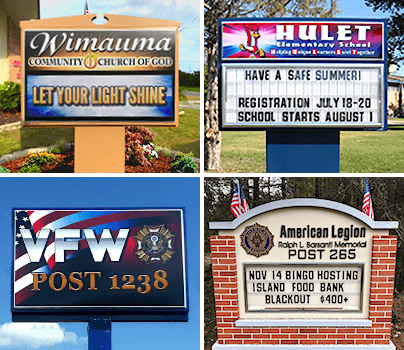
Municipal leaders manage a constant flow of public information. From public safety alerts and service interruptions to meeting notices, seasonal programs, and local events. Not all residents follow email or social media regularly, so outdoor signage remains one of the most reliable, visible, and cost-effective ways to reach the community.
Why Municipal Signage Still Matters
Outdoor municipal signs work where digital channels can’t - on the street, in parks, at civic spaces, and near essential services. Here’s why they’re so valuable:- Broad reach: Works for residents who don’t use digital channels.
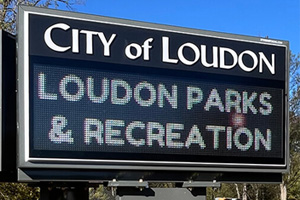
- Real-time updates: LED signs can instantly share alerts, schedule changes, or emergency info instantly.
- Reasonable communication: Public messages remain accessible to all demographics.
- Cost-effectiveness: Long-term value without recurring advertising costs.
Types of Municipal Signs & What They Do Best
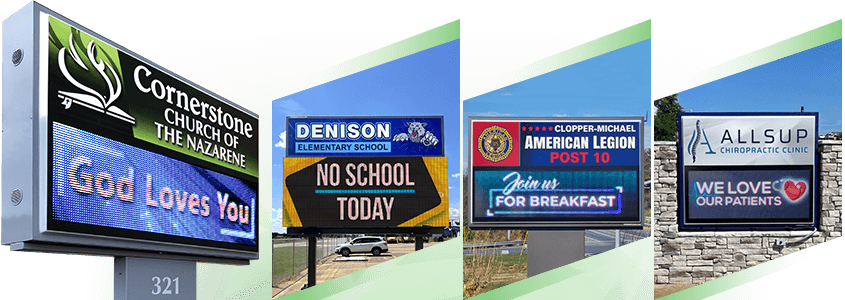
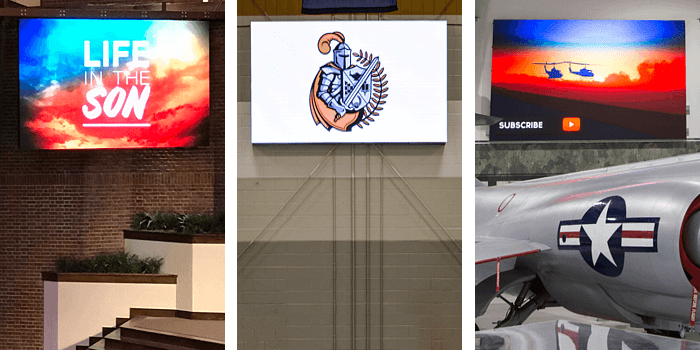
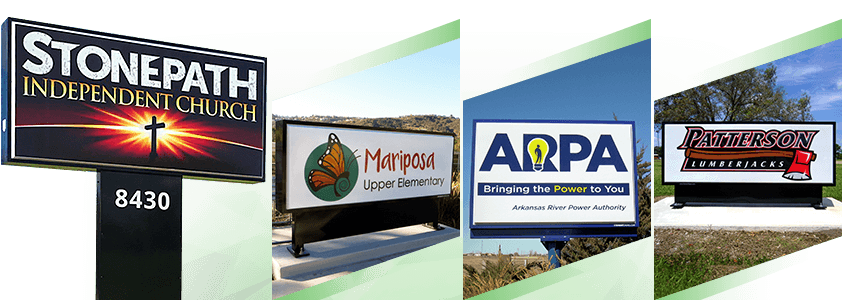
- LED Signs: Ideal for messages that change often. Cities use them for emergency alerts, road closures, program schedules, and community events. They’re visible 24/7 and can be updated remotely in seconds.
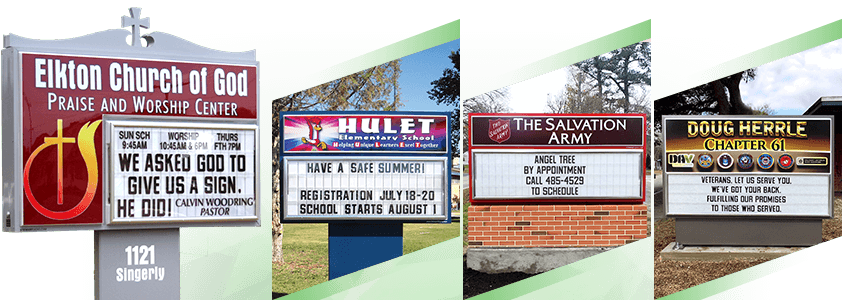
- Changeable Letter Signs: Budget-friendly and low-maintenance. Perfect for smaller departments or locations where messages change less frequently.
- Box Signs: Bright, even illumination makes them easy to read day or night. Great for consistent branding.
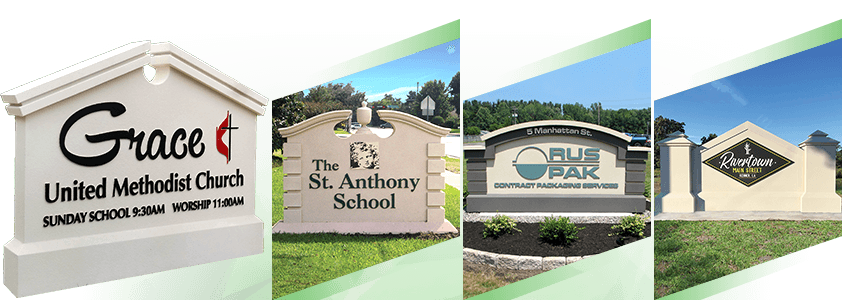
- Monument Signs: Timeless and durable, these signs make a lasting impression at entrances and civic spaces.
How to Plan a Strong Municipal Signage Program
- Identify communication needs: Consider what departments like public safety, public works, recreation, and administration need to share.
- Pick high-visibility locations: Think city hall, main roads, parks, and transit hubs.
- Match the sign to the message: LED for daily alerts, changeable letter for occasional updates.
- Check regulations: Be sure to follow sign permits, local codes, and zoning rules.
How to Plan a Strong Municipal Signage Program
- Identify communication needs: Consider what departments like public safety, public works, recreation, and administration need to share.
- Pick high-visibility locations: Think city hall, main roads, parks, and transit hubs.
- Match the sign to the message: LED for daily alerts, changeable letter for occasional updates.
- Check regulations: Be sure to follow sign permits, local codes, and zoning rules.
FAQ About Municipal Signage
- What is municipal signage? Municipal signage refers to any outdoor sign used by cities or public agencies to share information such as safety alerts, meeting notices, seasonal programs, and local events.
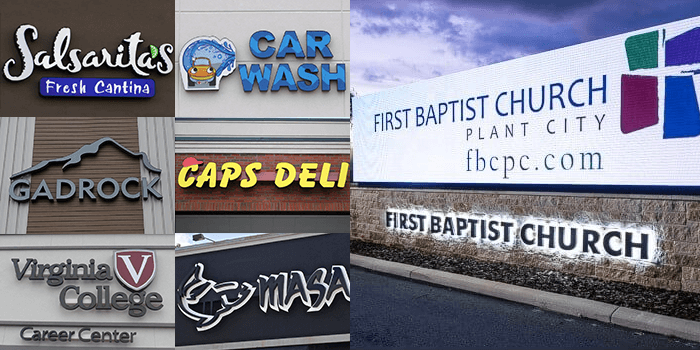
- What type of signs do municipalities use most? LED signs, changeable letter signs, lightbox signs, and monument signs. Each serves a different purpose depending on visibility and update frequency.
- Why do cities use LED signs? Cities use LED signs to share real-time updates. They can be changed instantly, provide excellent visibility, and reduce the need for manual message changes.
- How can signage improve community engagement? Consistent, visible communication keeps residents informed, builds trust, and encourages participation in meetings, programs, and civic events.
- How do municipalities choose the right sign? They consider how often messages need to be updated, visibility, location, budget, and local zoning requirements.
- Are LED municipal signs expensive to maintain? They may cost more upfront, but LEDs are long-lasting, weather-resistant, and low-maintenance, helping cities save on repairs and operating costs over time.