Local businesses face mounting pressure to stand out in crowded marketplaces. With so many options for getting your message in front of potential customers, outdoor LED signs have emerged as one of the most effective communication tools available. These dynamic displays work around the clock to attract attention, share timely information, and build brand recognition in your community.
This guide walks you through everything you need to know about evaluating the real return on investment for outdoor LED signage. You'll find clear criteria for assessing costs, understanding visibility benefits, navigating local regulations, and making a decision that fits your organization's goals and budget.
Key Takeaways: Are Outdoor LED Signs Worth It for Businesses in 2026?
- Outdoor LED signs offer long-term value through reduced ongoing advertising costs and the ability to update messages instantly without reprinting materials.
- Energy efficiency and extended lifespan make LED technology a cost-effective investment compared to traditional illuminated signage options.
- Local zoning regulations and permit requirements vary significantly, so checking with your municipality before purchasing is essential.
- Visibility and foot traffic increases are commonly reported benefits, with the U.S. Small Business Administration noting sales lifts between 15% and 150% after installation.
- Stewart Signs helps businesses evaluate their signage needs with solutions designed for durability, FCC compliance, and long-term performance.
What Makes Outdoor LED Signs Valuable for Local Businesses?
An outdoor LED sign functions as more than a display. It serves as a 24/7 marketing tool that communicates directly with people passing by your location. Unlike static signs that require physical replacement to change messaging, LED displays allow you to update content instantly from any device.
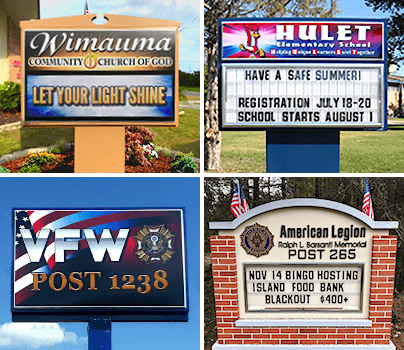
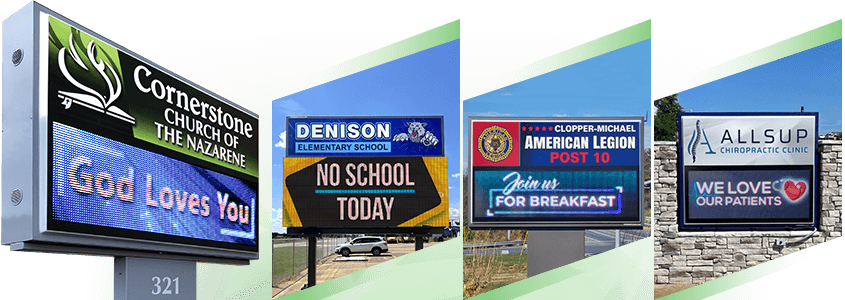
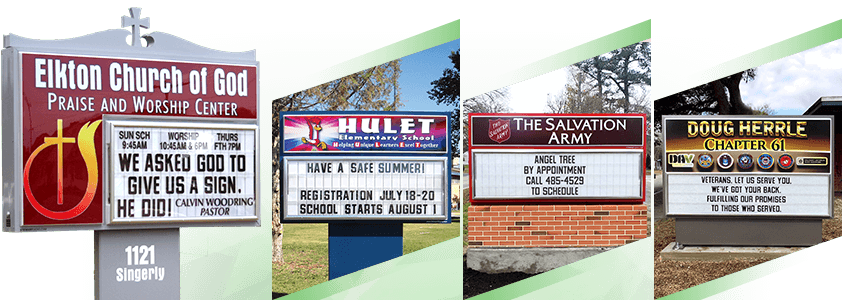
This flexibility creates practical value for your organization. A retail store can promote weekend sales. A restaurant can highlight daily meal specials. A church can announce service times and community events. The ability to respond quickly to changing circumstances means your sign stays relevant throughout the year.
Many businesses report that their outdoor LED sign becomes their most effective local advertising asset. The combination of brightness, dynamic content, and constant visibility helps organizations connect with their communities in ways that printed materials and digital advertising cannot match.
How Do You Calculate the ROI of an Outdoor LED Sign?
Calculating return on investment requires looking beyond the initial purchase cost. The true value of an LED sign unfolds over its operational lifespan, which can exceed 100,000 hours of use.
Cost Factors to Consider
Your total investment includes several components. Hardware costs cover the display itself, cabinet, and mounting structure. Installation expenses depend on whether you need electrical work, foundation preparation, or professional mounting services. Ongoing costs include electricity and any software licensing fees.
According to data recognized by the U.S. Small Business Administration, businesses that add electronic message centers typically experience sales increases between 15% and 150%. When you amortize the cost of your sign over its operational life, the cost per impression drops significantly compared to other advertising channels.
Savings from Reduced Printing and Advertising
One of the clearest financial benefits comes from eliminating repeated printing costs. Traditional banners, posters, and temporary signage require design, production, and installation for each new promotion. With an LED display, you can create and schedule new messages yourself without additional expense.
This matters when you consider how often your messaging needs change. Seasonal promotions, event announcements, hiring notices, and special offers can all rotate through your display without the cost and delay of physical materials.
What Are the Visibility Benefits of LED Signage?
Visibility drives the effectiveness of any outdoor sign. An LED display that catches attention translates directly into customer awareness and foot traffic.
Brightness and Readability
Modern LED displays are engineered to compete with direct sunlight. Brightness is measured in nits, with quality outdoor signs producing 5,000 to 10,000+ nits. This ensures your message remains readable throughout the day, regardless of weather conditions or ambient light.
Automatic light sensors adjust brightness levels based on the time of day. Your sign shines brightly during daylight hours and dims appropriately at night, maintaining visibility while complying with local brightness regulations.
Dynamic Content Captures Attention
Movement naturally draws the human eye. Research from the Out of Home Advertising Association of America found that 76% of consumers who recently viewed outdoor digital advertising reported taking action as a result. This response rate demonstrates the effectiveness of dynamic displays in prompting real-world behavior.
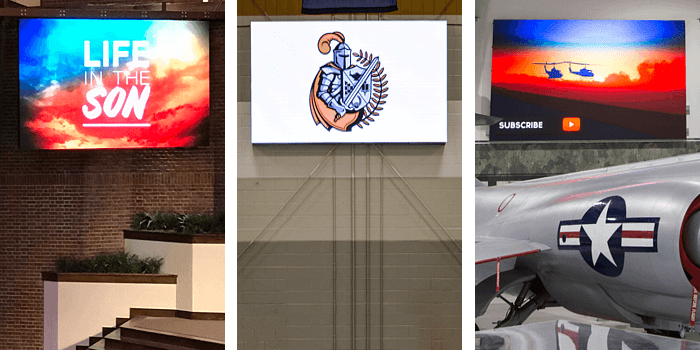
An LED sign allows you to rotate multiple messages, display images and animations, and update content in real time. A single sign can promote several offers, departments, or events throughout the day, maximizing its communication value.
How Do You Choose the Right LED Sign Size and Resolution?
Matching your sign's specifications to your location is essential for maximizing visibility and value. Two key factors determine how your display will perform: pixel pitch and physical size.
Understanding Pixel Pitch
Pixel pitch measures the distance between LED clusters on your display, expressed in millimeters. A smaller pixel pitch means higher resolution, which produces sharper images when viewed up close. A larger pixel pitch works well for signs viewed from greater distances.
The LED sign education resources available from sign manufacturers can help you understand which pixel pitch matches your viewing distance. For pedestrian traffic near your building, a tighter pitch creates crisp images. For roadside signs where drivers pass at higher speeds, a larger pitch delivers excellent visibility at a lower cost.
Determining the Right Physical Size
Your sign's physical dimensions affect its maximum viewing distance. The practical maximum is roughly 10 times the display's square footage. A 2-foot by 7-foot display (14 square feet) can be effectively viewed from up to 140 feet away.
Consider your location's traffic patterns. How far away are viewers when they first see your property? How fast are they traveling? These factors help determine the minimum size needed for your sign to capture attention before potential customers pass by.
What Local Regulations Apply to Outdoor LED Signs?
Before investing in an outdoor LED sign, you need to understand your local zoning ordinances. Regulations vary significantly between municipalities and can affect everything from sign size to brightness levels and content restrictions.
Common Regulatory Requirements
Most localities regulate several aspects of outdoor signage. Size limits establish maximum dimensions based on zoning district, property size, or building frontage. Height restrictions determine how tall your sign structure can be. Setback requirements specify minimum distances from property lines and roadways.
Brightness regulations are particularly important for LED displays. Many ordinances specify maximum nit levels, especially for nighttime operation. Message hold times may also be regulated, requiring each message to display for a minimum duration before changing.
The Permit Process
Most sign installations require permits from your local planning or zoning department. The application process typically involves submitting site plans, sign dimensions, engineering specifications, and sometimes electrical plans. Review times vary by jurisdiction.
How Long Do Outdoor LED Signs Last?
Durability is a significant factor in evaluating long-term value. Quality LED displays are engineered for years of reliable outdoor operation.
LED Lifespan and Reliability
LED technology does not use filaments or fragile components that burn out. Quality LEDs are rated for 100,000 hours of operation, which translates to more than a decade of constant use. In practical terms, your sign can remain bright and functional for over a decade with proper care.
LEDs do gradually dim over time rather than failing suddenly. Starting with a brighter display ensures your sign remains visible and effective many years into the future.
Weather Resistance and Protection
Outdoor LED signs face constant exposure to sun, rain, heat, cold, and humidity. Quality signs have features that offer protection against dust and water.
Stewart Signs uses TUFFAK® SL polycarbonate vandal covers for maximum protection on their integrated LED displays. This durable material shields the display from impact damage and environmental stress.
What Are the Energy Costs of Running an LED Sign?
Energy efficiency contributes significantly to the long-term value of LED signage. Compared to older lighting technologies, LEDs consume substantially less power while producing excellent brightness.
LED Efficiency Compared to Traditional Lighting
The U.S. Department of Energy notes that LED lighting uses at least 75% less energy than incandescent lighting. This efficiency advantage applies to LED signs as well, though actual consumption varies based on display size, brightness settings, and operating hours.
Factors That Affect Energy Use
Several variables influence your sign's power consumption. Display size directly affects wattage requirements. Brightness settings play a role, with automatic dimming during evening hours reducing overall energy use. Content design matters too, as darker backgrounds and optimized graphics consume less power than solid white displays at maximum brightness.
What Types of Outdoor LED Signs Are Available?
Different sign configurations serve different organizational needs. Understanding your options helps you select the right solution for your location and budget.
Integrated LED Signs
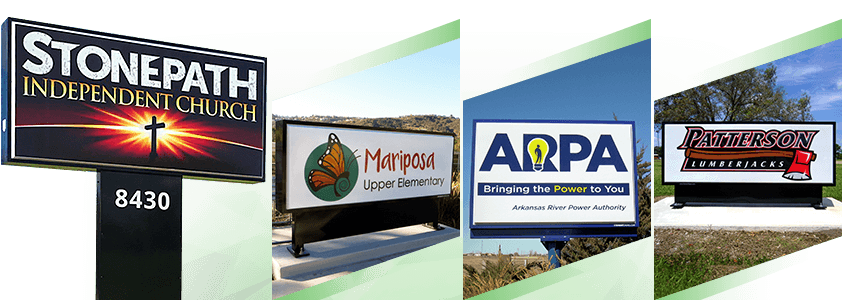
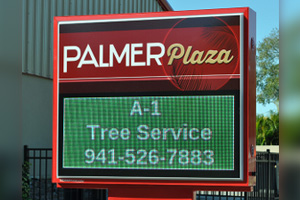
An integrated LED sign combines the display and sign cabinet into a single unit. This configuration offers excellent value for medium-sized applications and provides a clean, unified appearance. The LED display is protected by durable materials that resist vandalism and weather damage.
Independent LED Signs
Independent displays feature a separate LED cabinet that can be paired with identification signage below. This configuration allows for maximum display sizes, including billboard-scale installations. Independent signs are ideal for high-visibility locations where maximum impact is the priority.
Monument LED Signs
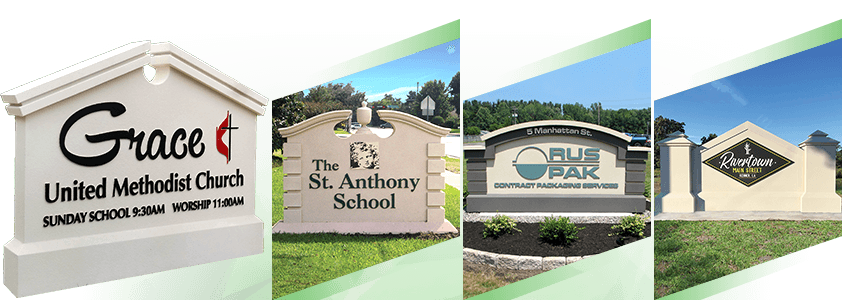
Monument-style LED signs combine dynamic displays with traditional architectural elements. These low-profile structures create a classic appearance while incorporating modern technology. They work well for organizations that want to complement traditional building architecture while gaining the benefits of dynamic messaging.
You can explore different monument sign options to find configurations that match your property's aesthetic.
How Do You Evaluate Sign Quality and Compliance?
Not all LED signs are created equal. Quality differences affect performance, longevity, and regulatory compliance.
FCC Compliance
Electronic signs must meet Federal Communications Commission (FCC) regulations to ensure they do not interfere with radio frequencies. FCC-compliant signs have been tested and certified to meet these standards. Non-compliant signs can create legal and operational issues for your organization.
UL Listing and Safety Standards
UL (Underwriters Laboratories) listing indicates that a product has been tested for safety by an independent organization. UL-listed signs meet established safety standards for electrical components and construction. This certification provides confidence that your sign has been manufactured to quality specifications.
Warranty and Support
Quality manufacturers stand behind their products with meaningful warranties and accessible support. Stewart Signs offers a 10-Year Parts Availability Guarantee, ensuring components remain available long after installation. In-house, U.S.-based customer support teams can assist with software questions, troubleshooting, and parts replacement.
What Software and Content Management Options Exist?
Managing your sign's content should be straightforward and accessible. Modern LED signs connect to content management systems that allow remote updates from any device.
Cloud-Based Sign Software
Cloud-based software eliminates the need for on-site computers or complicated installations. You can create, schedule, and publish messages from your computer, tablet, or smartphone from any location with internet access.
SignCommand® from Stewart Signs includes over 2,500 images and animations in a built-in media library. You can create professional-looking content without graphic design expertise, and schedule messages to display at specific times or on specific days.
Connectivity Options
LED signs require internet connectivity to receive content updates. Options include wired Ethernet connections, short-range wireless networks, or cellular connections. Cellular connectivity eliminates the need for network infrastructure at your sign location, simplifying installation and ensuring reliable communication.
When Does an Outdoor LED Sign Make Sense for Your Business?
An LED sign represents a significant investment. Evaluating whether it makes sense for your organization requires honest assessment of your situation and goals.
Signs That Point to a Good Investment
Your organization may benefit from an LED sign if your location has good visibility to passing traffic, if you frequently need to change messaging for promotions, events, or announcements, if you want to reduce ongoing advertising and printing costs, or if you compete for attention with surrounding businesses.
Organizations that communicate regularly with their communities, such as churches, schools, and civic organizations, often find LED signs particularly valuable for sharing timely information and building engagement.
Factors That May Affect Your Decision
Consider your local regulations before committing to a purchase. Some zoning districts restrict electronic signs or limit their size and brightness. Verify that your intended sign configuration is permitted in your location.
Your budget and timeline matter as well. While LED signs deliver long-term value, they require upfront investment. Financing options can help organizations spread costs over time while beginning to benefit from their new communication tool immediately.
Conclusion: Making a Confident Decision About Outdoor LED Signage
An outdoor LED sign is more than a purchase. It's an investment in your organization's ability to communicate effectively with your community. When evaluated properly, these dynamic displays can deliver substantial returns through increased visibility, reduced advertising costs, and the flexibility to respond to changing circumstances.
The key to a confident decision lies in understanding your specific situation: your location's visibility, your communication needs, your local regulations, and your budget. Quality signage from a trusted manufacturer ensures your investment performs reliably for years.
At Stewart Signs, we help organizations design LED sign solutions that fit their goals and budget. With over 60,000 signs sold nationwide since 1968, we understand what it takes to help businesses and organizations thrive through effective communication. Ready to explore what an outdoor LED sign could do for your business? Contact us today to get started.
FAQs About Are Outdoor LED Signs Worth It for Businesses in 2026?
How much does an outdoor LED sign cost?
Outdoor LED sign costs vary based on display size, pixel pitch, mounting configuration, and installation requirements. Integrated displays with sign cabinets typically cost less than large independent displays. Contact a manufacturer like Stewart Signs for a customized quote based on your specific needs and location.
How long do outdoor LED signs last?
Quality LED displays are rated for approximately 100,000 hours of operation, which equals more than a decade of constant use. Stewart Signs offers a 10-Year Parts Availability Guarantee, ensuring your investment remains supported long after installation.
Do outdoor LED signs require permits?
Yes, most municipalities require permits for outdoor sign installations. Requirements vary by location and may include size limits, height restrictions, brightness regulations, and setback requirements. Check with your local zoning or planning department before purchasing.
Can I update my LED sign content myself?
Yes. Modern LED signs connect to cloud-based software that allows you to create, schedule, and publish content from any computer, tablet, or smartphone. Stewart Signs' SignCommand® software includes a media library with thousands of images and animations to help you create professional content easily.
What is pixel pitch and why does it matter?
Pixel pitch measures the distance between LED clusters on your display, expressed in millimeters. A smaller pixel pitch produces higher resolution images for close viewing distances. A larger pixel pitch works well for signs viewed from farther away and typically costs less.
Are outdoor LED signs FCC compliant?
Quality outdoor LED signs from reputable manufacturers are FCC compliant. Stewart Signs ensures all electric products meet FCC regulations, protecting your organization from interference issues and compliance concerns.