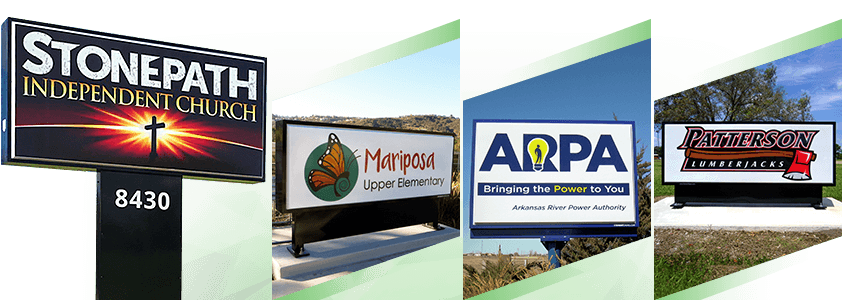
Your church's outdoor sign is more than a marker on the roadside. It's often the first point of contact between your ministry and the community you serve. At Stewart Signs, we've helped thousands of churches select outdoor signage that supports their mission and connects with their communities. This guide will walk you through everything you need to know about choosing the right outdoor church sign for your congregation's goals, budget, and campus environment.
Whether you're replacing an aging sign or installing your first outdoor display, the decision involves more than picking a style that looks good. You'll need to consider visibility, communication needs, local regulations, and long-term value. The sections below cover each of these factors so you can make an informed choice that serves your ministry for years to come.
Key Takeaways: How to Choose an Outdoor Church Sign in 2026
- Outdoor church signs serve three primary functions: identification, communication, and community engagement with your ministry's message.
- LED signs allow real-time message updates from any device, making them ideal for churches with active event calendars.
- Monument signs create a traditional aesthetic that complements classic church architecture. These signs can also be customized with letter tracking and LED displays to become communication tools.
- Stewart Signs helps churches design sign solutions that fit their goals, budget, and campus environment.
- Local zoning ordinances may restrict sign height, brightness, and electronic displays, so check regulations before finalizing your design.
What Are the Main Types of Outdoor Church Signs?
Outdoor church signs fall into several categories, each with distinct advantages. Your choice depends on your communication goals, architectural style, and how often you need to change your messaging. Understanding these options will help you match the right sign type to your ministry's needs.
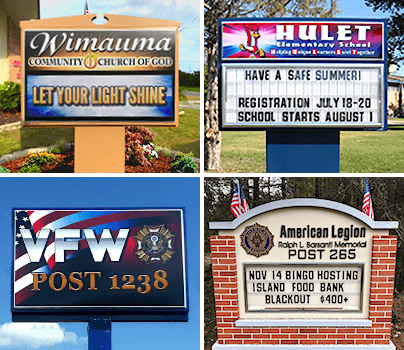
The most common outdoor church sign types include LED signs, changeable letter signs, light box signs, and monument signs. Many churches combine two or more of these elements, such as a monument base with an integrated LED display. This hybrid approach lets you maintain permanent identification while adding dynamic communication capabilities.
LED Signs for Churches
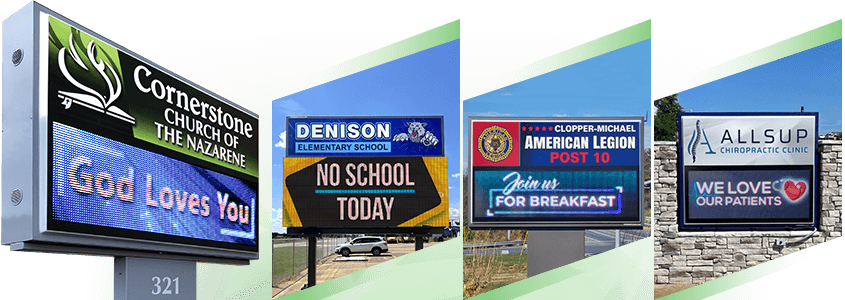
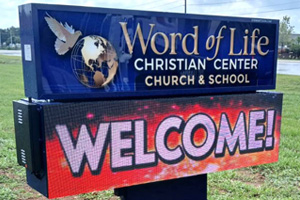
Outdoor LED signs feature electronic displays that can show text, graphics, and animations. You can update messages remotely using cloud-based software (SignCommand) from a computer, tablet, or smartphone. This flexibility makes LED signs popular among churches that host frequent events or want to share rotating inspirational messages.
LED displays come in different pixel pitches, which affect image clarity at various viewing distances. A smaller pixel pitch creates sharper images for closer viewing, while a larger pixel pitch works better for signs viewed from farther away. Your sign provider can help determine the right configuration based on your sign's location and typical traffic patterns.
Changeable Letter Signs
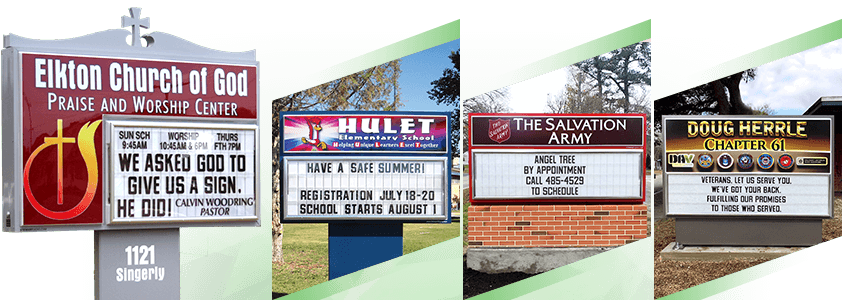
Changeable letter signs use physical letter panels that you arrange manually to create your message. These signs offer a more affordable entry point than LED displays while still allowing you to update your content. Many churches appreciate the hands-on nature of these signs and the classic aesthetic they create.
Letter signs require someone to physically change the display, which takes more time than electronic updates. If your messaging changes frequently, you'll need volunteers or staff available to update the sign. For churches with less frequent message changes, this approach works well and keeps costs manageable.
Light Box Signs
Light box signs feature a static graphic panel illuminated from behind. These signs showcase your church name, logo, and permanent information in a polished, professional format. The internal lighting ensures visibility both day and night, making your church identifiable around the clock.
While light box signs don't allow changeable messaging on their own, you can pair them with changeable letter tracking or a separate LED display. This combination gives you prominent identification plus the ability to share timely announcements.
The illuminated design creates an inviting presence that welcomes visitors to your campus.
Monument Signs
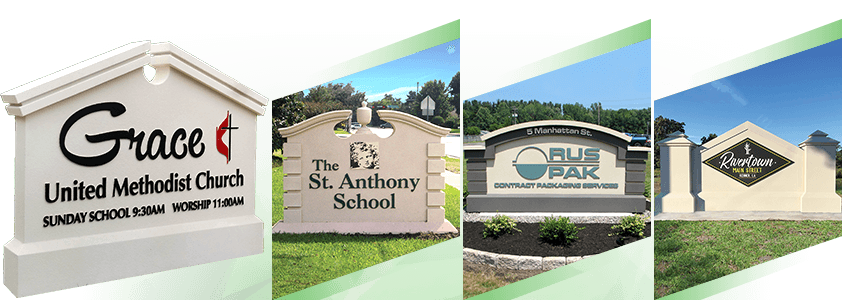
Monument signs feature a masonry-inspired design that complements traditional church architecture. These ground-level signs create a substantial, permanent-looking presence at your entrance. Made from modern, durable materials, monument signs resist weather damage while maintaining their classic appearance.
Monument signs can incorporate changeable letter areas or LED displays. This versatility lets you choose the communication method that fits your needs while maintaining the stately look that works well with brick, stone, or traditional building styles. Many denominations favor this approach for its dignified aesthetic.
How Should You Evaluate Your Church's Communication Needs?
Before selecting a sign type, take time to assess how your church communicates with the community. Consider what information you share most often and how quickly that information changes. This evaluation will guide you toward the sign format that best supports your outreach efforts.
Churches with active calendars and multiple weekly events typically benefit from LED displays that allow rapid message updates. Congregations that primarily need identification signage with occasional message changes may find changeable letter signs sufficient. Your communication patterns should drive this decision, not the other way around.
Questions to Ask About Your Communication Patterns
Start by listing the types of messages you want to display. Common categories include service times, special events, holiday announcements, inspirational quotes, and community outreach programs. Consider how often each category changes and whether timing matters for your audience.
Think about who will manage your sign content. LED signs require someone comfortable with software and regular updates. Changeable letter signs need physical access and ladder safety. Understanding your team's capacity helps ensure your sign stays current and effective after installation.
Matching Sign Type to Communication Goals
If you want to share Bible verses, welcome messages, and event details that change weekly, an LED display gives you the flexibility to keep content fresh. The ability to schedule messages in advance means holiday greetings and event announcements appear automatically at the right time.
For churches focused primarily on identification and basic service times, a light box or monument sign with minimal changeable elements may meet your needs. This approach requires less ongoing management while still projecting a professional presence into the community.
What Visibility Factors Should You Consider?
A sign that nobody can see or read doesn't serve your ministry. Visibility depends on several factors including sign placement, size, and the speed at which traffic passes by. Getting these elements right ensures your investment reaches the maximum number of people.
Stewart Signs can help you assess visibility from every approach to your campus. This evaluation considers traffic patterns, sight lines, and local conditions that affect how well your sign communicates with passersby. Taking time for this assessment prevents costly mistakes.
Sign Placement and Height Considerations
Your sign's location on the property affects who can see it and from what distance. Signs placed close to the road reach drivers more effectively, while signs set back on the property may need greater height or larger dimensions for the same impact. Consider vegetation, buildings, and other elements that might block views.
Local zoning ordinances often regulate sign height, especially in residential or mixed-use areas. Churches in these zones may face lower height limits than commercial properties. Knowing these restrictions before you design prevents disappointment later in the process.
Display Size and Viewing Distance
The relationship between sign size and viewing distance determines readability. A small sign works fine when viewers are close, but larger signs become necessary as viewing distance increases. Traffic speed also matters since faster-moving vehicles give drivers less time to read your message.
For LED displays, pixel pitch affects how sharp text and images appear at different distances. LED sign education resources can help you understand how these technical specifications translate to real-world performance. Your provider should explain these relationships clearly so you can make an informed choice.
Lighting and Day-Night Visibility
Illuminated signs remain visible around the clock, extending your communication reach into evening hours. LED displays generate their own light, automatically adjusting brightness based on ambient conditions. This ensures readability during the day while preventing uncomfortable glare at night.
Light box signs use internal illumination to make your graphics visible after dark. Changeable letter signs can include backlighting or rely on external lighting. Consider when your sign will be viewed most often and ensure adequate illumination for those times.
How Do Local Regulations Affect Your Sign Options?
Churches often occupy property zoned for residential or institutional use, which may carry different sign regulations than commercial zones. Understanding local ordinances before you begin the design process helps avoid complications during permitting. Your sign provider should assist with this research.
Regulations typically address sign size, height, setback from the road, illumination, and electronic message displays. Some jurisdictions restrict animated content or require minimum hold times for message changes on LED signs. These rules exist to balance communication needs with neighborhood aesthetics and traffic safety.
Common Zoning Restrictions for Church Signs
Height limitations represent one of the most common restrictions. While commercial signs might reach eight feet or higher, residential zone signs may be limited to four to six feet. This affects both monument signs and pole-mounted displays. Some ordinances calculate height differently for different sign types.
LED sign brightness often faces regulation, particularly regarding nighttime operation. Many jurisdictions require automatic dimming and may specify maximum brightness levels after sunset. Signs with this capability, like those from Stewart Signs, adjust automatically while maintaining visibility.
Permitting Process and Timeline
Most jurisdictions require permits for new outdoor signs. The application process typically involves submitting design drawings, site plans, and specifications. Review times vary from a few days to several weeks depending on your location and whether variances are needed.
Starting the permitting conversation early prevents delays. Your sign provider should prepare documentation that meets local requirements and can often advise on how similar projects have proceeded in your area. This experience helps streamline the process.
What Should You Know About Sign Materials and Durability?
Outdoor signs face constant exposure to sun, rain, wind, and temperature extremes. The materials and construction methods used determine how well your sign holds up over time. Quality construction protects your investment and keeps your sign looking professional for years.
Church signs typically remain in place for over a decade, making durability a key consideration. Low-quality signs may cost less initially but require replacement sooner, ultimately costing more. Understanding what separates durable construction from budget alternatives helps you evaluate options realistically.
Cabinet and Structure Materials
Sign cabinets made from aluminum resist rust and corrosion better than steel alternatives. Powder coating creates a durable finish that resists chipping, fading, and graffiti. These construction choices affect both appearance and longevity. Ask your provider about the specific materials used in their signs.
Monument signs use different construction approaches. Stewart Signs monument signs feature an EPS core with a polyurethane hard coat that resists impact, moisture, rot, and insects. A textured acrylic finish prevents fading and withstands harsh weather. These modern materials create the classic masonry look without the weight and installation complexity of actual stone or brick.
LED Display Longevity
LED technology has matured significantly, with quality displays rated for 100,000 hours of use. At constant operation at full brightness, this translates to over eleven years before significant brightness reduction. The solid-state nature of LEDs means no filaments to burn out or delicate parts to break.
Display longevity depends on component quality and proper thermal management. Cheaper displays may use lower-grade LEDs or inadequate cooling, shortening their useful life. Stewart Signs uses institutional-grade components designed for extreme environments, protecting your investment over the long term.
How Do You Choose Between Integrated and Independent LED Displays?
LED church signs come in two primary configurations: integrated displays built into a sign cabinet, and independent displays mounted separately from an identification panel. Each approach has advantages depending on your specific situation and goals.
Understanding these options helps you select the configuration that best serves your ministry. Your sign provider can explain how each approach would work for your particular location and communication needs.
Integrated LED Signs
Integrated signs combine the LED display and sign cabinet into a single unit. The display face is protected by a durable polycarbonate cover that resists vandalism and weather. This configuration works well for medium-height applications where the sign cabinet includes both identification graphics and the electronic display.
These signs offer a clean, unified appearance since everything fits within a single structure. Size limitations apply based on cabinet dimensions, so integrated displays typically work better for smaller to medium LED displays. They're often more economical than independent configurations of similar capability.
Independent LED Signs
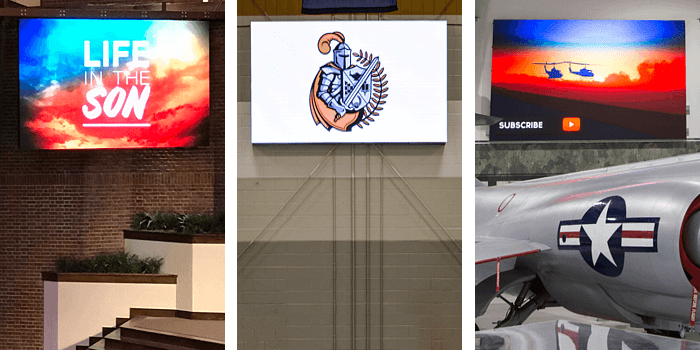
Independent displays mount separately from your identification signage, giving you flexibility in size and placement. This configuration supports larger displays and allows the LED panel to be positioned at optimal height regardless of where your identification sign sits. Weather-controlled cabinets protect the display components.
Churches wanting maximum visual impact often choose independent displays because they can accommodate larger LED displays. You can also combine an independent LED display with a monument sign base, pairing traditional aesthetics with modern technology. This hybrid approach suits many campus styles.
What Role Does Sign Software Play in Your Decision?
The software used to manage an LED sign affects how easily you can create and schedule content. Cloud-based platforms let you update your sign from anywhere using any device with an internet connection. This convenience matters when your sign manager isn't always on campus.
Stewart Signs includes SignCommand cloud-based software with LED sign purchases. This platform lets you create messages, schedule content, and manage multiple signs from a single interface. Understanding software capabilities helps you evaluate LED sign options from different providers.
Content Creation and Media Libraries
Creating attractive sign content requires graphics, animations, and fonts suited for LED displays. SignCommand includes over 2,500 images and animations optimized for sign use. This built-in media library means you don't need design skills or external software to create professional-looking messages.
Animation templates turn simple text into dynamic presentations without requiring technical expertise. If you can type your message, you can create eye-catching content that draws attention. These tools make it practical for volunteer sign managers to maintain professional-quality displays.
Scheduling and Remote Management
Scheduling capabilities let you prepare messages in advance and have them appear automatically at the right time. Holiday greetings, event announcements, and seasonal messages can be queued weeks or months ahead. This reduces the ongoing effort required to keep your sign current.
Remote access means updates don't require a trip to the church. When weather causes service changes or last-minute events come together, you can update your sign immediately from wherever you are. This responsiveness helps your sign stay relevant to what's actually happening in your ministry.
Why Does FCC Compliance Matter for LED Signs?
The Federal Communications Commission regulates electronic devices that emit radio frequencies, including LED signs. Non-compliant signs can interfere with emergency services, traffic systems, and other critical communications. The FCC has authority to shut down signs that cause interference.
Purchasing from a manufacturer that certifies FCC compliance protects your investment and ensures your sign operates legally. Stewart Signs tests all LED products through FCC-recognized laboratories and maintains current certifications. This commitment to compliance gives you confidence in your purchase.
Risks of Non-Compliant Signs
Signs that don't meet FCC standards may cause harmful interference in your community. Beyond the technical issues, operating non-compliant equipment can result in forced shutdown of your sign. The companies selling non-compliant signs face fines, but your church loses its communication tool.
Non-compliance often indicates broader quality issues. Manufacturers cutting corners on regulatory requirements may also use subpar materials or careless construction. Protecting yourself starts with choosing established providers with documented compliance records.
How Should You Plan Your Sign Budget?
Outdoor church signs represent a significant investment that serves your ministry for years or a decade. Understanding the full cost picture helps you budget appropriately and evaluate options realistically. The lowest price rarely represents the best value over the sign's lifetime.
Total cost includes the sign itself, installation, permitting fees, and ongoing operational expenses. For LED signs, consider software subscriptions, communication costs, and eventual parts replacement. A complete picture prevents budget surprises.
Initial Investment Factors
Sign type and size drive most of the upfront cost. LED displays cost more than changeable letter or light box signs of similar dimensions. Within LED options, tighter pixel pitch and larger display areas increase price. Monument sign structures add to the total compared to pole-mounted alternatives.
Installation complexity affects cost as well. Sites requiring significant excavation, electrical work, or difficult access cost more to install. Your sign provider should include installation estimates in their proposal so you can compare total project costs accurately.
Long-Term Value Considerations
Quality signs last longer and look better throughout their service life. A sign that needs replacement in ten years costs more over twenty years than a durable sign with a higher initial price. Warranty coverage indicates manufacturer confidence in their product's longevity.
For LED signs, software quality and support availability affect long-term value. Signs tied to discontinued software or bankrupt manufacturers become difficult to maintain. Established providers with decades of service history, like Stewart Signs, reduce this risk. The company has operated since 1968 and supports signs across more than 60,000 installations.
What Steps Should You Follow When Selecting a Sign Provider?
Choosing the right partner matters as much as choosing the right sign. Your provider should understand church signage needs, offer guidance throughout the selection process, and stand behind their products with responsive support. This relationship continues long after installation.
Evaluate providers based on their experience with churches specifically, not just general sign manufacturing. Churches have unique communication goals and often face different zoning situations than commercial businesses. A provider familiar with these factors can guide you more effectively.
Questions to Ask Potential Providers
Ask how many church signs the provider has installed and whether they can share examples in your area. Request references from similar congregations who can speak to their experience. Look for providers who help with permitting and site assessment, not just sign fabrication.
For LED signs, ask about software ownership and long-term support commitments. Understand what happens if the company changes ownership or discontinues a product line. These questions reveal how well the provider plans for your long-term success, not just the initial sale.
Working with Stewart Signs
Stewart Signs has been the trusted partner for sign projects of all sizes since 1968. With over 60,000 signs installed nationwide and endorsements from fifteen denominational organizations, the company understands what churches need from their outdoor signage. This experience translates to practical guidance throughout your project.
Requesting a quote starts the conversation about what an outdoor sign could do for your church. The process starts with understanding your goals, assessing your site, and checking local regulations. From there, design options take shape around your specific situation, along with installation methods and software information.
In Conclusion: Making the Right Choice for Your Church
Selecting an outdoor church sign involves balancing communication goals, aesthetic preferences, budget realities, and local regulations. The right sign supports your ministry's mission by making your presence known, welcoming visitors, and keeping your congregation and community informed.
Take time to evaluate your actual communication needs before getting attached to a specific sign type. Consider visibility from every angle and understand local restrictions. Partner with a provider who knows church signs specifically and can guide you through the entire process.
Your church's outdoor sign will serve your ministry for years to come. Making an informed decision now ensures that investment delivers lasting value for your congregation and community.
FAQs About How to Choose an Outdoor Church Sign
What type of outdoor sign works for churches with limited budgets?
Changeable letter signs offer an affordable entry point while still allowing message updates. Light box signs give you professional identification at a moderate price point. Stewart Signs can help you find options that fit your budget while meeting your communication goals.
How often can you update content on an LED church sign?
LED signs allow unlimited content updates from any internet-connected device. Stewart Signs includes SignCommand software that lets you schedule messages in advance or make immediate changes. Most churches update their signs weekly or more frequently during busy seasons.
Do churches need special permits for outdoor signs?
Most jurisdictions require permits for new outdoor signs. Requirements vary by location, so check with your local zoning office early in the process. Stewart Signs helps customers navigate permitting by preparing required documentation and advising on local regulations.
How long do outdoor LED church signs typically last?
Quality LED displays are rated for 100,000 hours of operation, which translates to over eleven years of constant use. Stewart Signs builds their LED products with institutional-grade components designed for extreme outdoor conditions, supporting reliable performance throughout the sign's service life.
What is pixel pitch and why does it matter for church LED signs?
Pixel pitch measures the distance between pixels on an LED display, expressed in millimeters. Smaller pixel pitch creates sharper images at closer viewing distances, while larger pitch works for signs viewed from farther away. Stewart Signs helps you select the right pixel pitch based on your sign's location and viewing conditions.
Can monument signs include electronic message displays?
Yes, monument signs can incorporate LED displays for changeable messaging while maintaining their classic appearance. Stewart Signs offers monument LED configurations that combine traditional masonry-style aesthetics with modern digital technology. This hybrid approach suits churches wanting both distinguished architecture and dynamic communication.