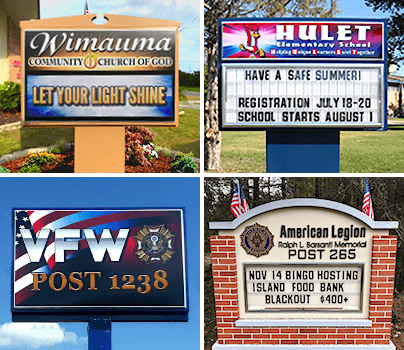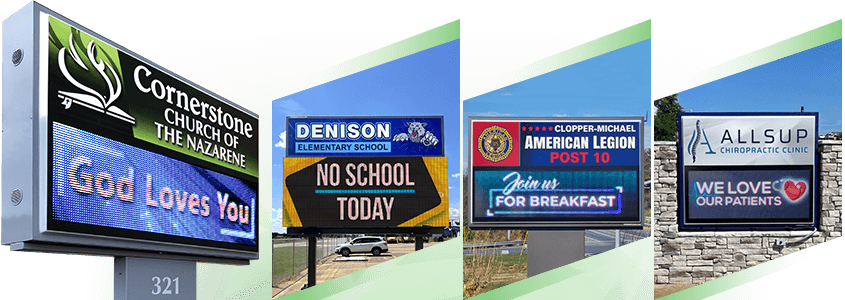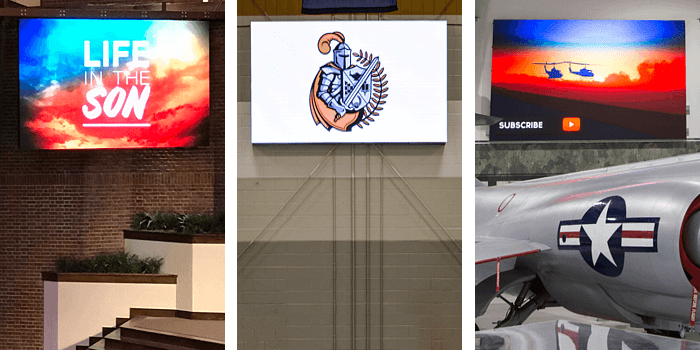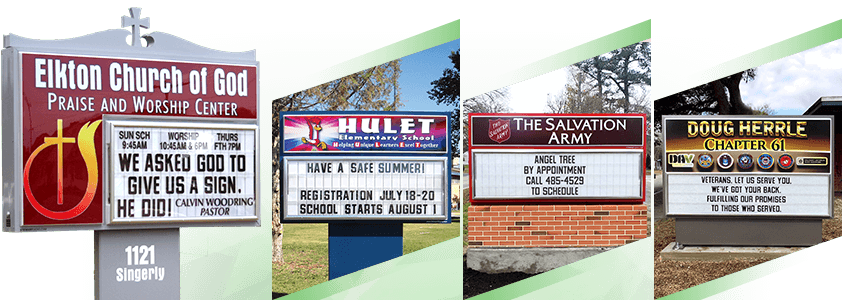
Churches today face growing pressure to stay visible, connect with members, and reach new families in their communities. An outdoor LED sign is one of the most effective tools a church can use to do all three. Church outdoor signs help you share service times, promote events, and welcome visitors with bright, dynamic messages that grab attention day and night.
This guide covers everything you need to know before investing in a church outdoor LED sign. From budgeting and sign types to local permits and content planning, you will find practical steps to help your church make a confident, informed decision in 2026.
Key Takeaways: Church Outdoor LED Signs Buying Guide for 2026
- LED signs come in several types, and the right choice depends on your church's location, visibility needs, and budget.
- Budgeting for an outdoor LED sign means accounting for the sign itself, installation, electrical work, and permitting fees.
- Local zoning laws and permit requirements vary widely, so always check with your municipality before purchasing a sign.
- Stewart Signs helps churches plan sign projects that fit their ministry goals and campus environment.
- Effective sign content planning keeps your messaging fresh, relevant, and aligned with your church's outreach calendar.
What Types of Outdoor LED Signs Are Available for Churches?
Before you set a budget, it helps to understand the different sign types churches commonly use. Each one offers different levels of visibility, flexibility, and messaging capability.
Integrated LED Signs
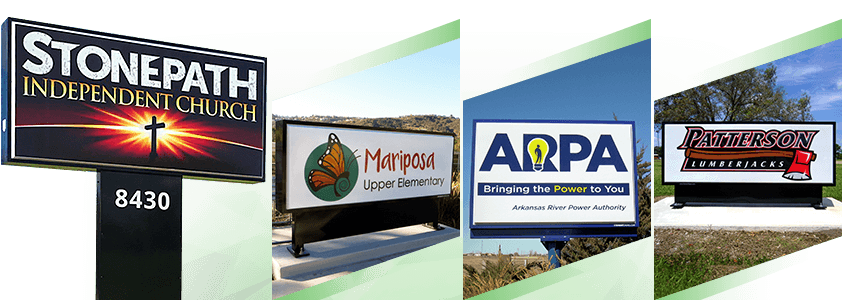
An integrated LED sign combines a permanent identification cabinet with a built-in LED display in a single unit. This design keeps everything compact and is a popular option for churches with limited frontage or set back. The identification area typically displays your church name and logo, while the LED section rotates your messages.
Independent LED Signs
An independent LED sign uses a separate display cabinet, which gives you more flexibility in sizing. Churches that sit along busy roads or highways often choose independent displays because they can be built larger for greater visibility from a distance.
Monument LED Signs
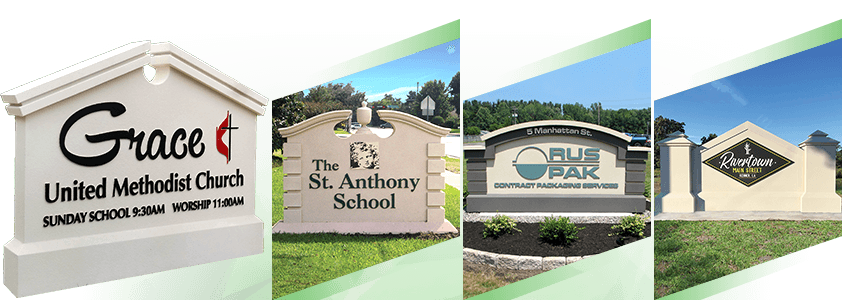
Monument signs feature a masonry-inspired frame that pairs well with traditional church architecture. You can combine a monument base with an LED display to get a classic look alongside modern messaging capability. These signs sit low to the ground, which works well for churches with shorter setback distances from the road.
Changeable Letter Signs
If an LED display is not in your current budget, a changeable letter sign lets you update messages manually at a lower initial investment. Many churches start with changeable letter signs and upgrade to LED later as their needs and budgets grow.
How to Set a Realistic Budget for a Church LED Sign
Budgeting for an outdoor LED sign goes beyond the sticker on the sign itself. Several factors affect the total investment, and planning for each one up front will help you avoid surprises.
Factors That Affect Your Total Investment
Sign size, resolution, and display type all influence the base investment. A higher resolution display with a tighter pixel pitch produces sharper images and text, which matters for signs viewed from shorter distances. Larger signs with wider displays will cost more than compact models.
Beyond the sign, you should budget for:
- Site preparation and foundation work
- Electrical connections and wiring
- Permit and zoning application fees
- Freight and delivery to your location
- Professional installation labor
How Churches Fund New Signs
Many churches fund new signs through a combination of capital campaigns, designated giving programs, and community fundraising events. Some denominations also offer grants or low-interest loans for facility improvements that include signage. Grants for outdoor church signs can help offset a significant portion of the total investment.
Starting a sign fund with a clear timeline and goal encourages participation from members who want to support the church's outreach. When communities see the impact of their support, they're more likely to stay engaged and contribute over time.
Understanding Pixel Pitch and Display Resolution
Pixel pitch measures the distance between individual LED pixels on a display, expressed in millimeters. A smaller number means higher resolution and sharper detail. A larger number means lower resolution, but at a lower cost per square foot of display.
How to Choose the Right Pixel Pitch for Your Church
The right pixel pitch depends on how far your closest viewers are from the sign. Churches on busy streets where drivers and pedestrians pass nearby benefit from tighter pixel pitch displays in the 6mm to 10mm range. These displays show detailed text, graphics, and even video clearly at close range.
Churches along highways or roads with faster traffic can use 16mm pixel pitch displays effectively. At greater viewing distances, the human eye cannot distinguish individual pixels, so a wider pitch delivers clear messages at a lower investment.
How Pixel Pitch Affects Your Budget
A tighter pixel pitch means more LED modules per square foot, which increases the investment. If your sign sits along a high-speed road where viewers pass at 45 mph or faster, a 16mm display will read clearly and keep your investment lower. For signs near sidewalks, parking lots, or slow-traffic intersections, a 6mm to 10mm pitch delivers the sharper detail your audience expects at close range.
Work with your sign company to measure actual viewing distances from your property line. This measurement helps you choose the right pixel pitch without overspending on resolution your viewers cannot see or underspending on resolution they need.
How to Navigate Local Permits and Zoning for Church Signs
Almost every municipality has sign ordinances that regulate size, height, placement, brightness, and animation. Churches are not automatically exempt from these rules, even on private property. Understanding your local requirements early in the process can save you time and prevent delays.
Steps to Research Your Local Sign Regulations
Start by contacting your local planning or zoning office. Ask for a copy of the sign ordinance and any supplemental regulations that apply to religious institutions. Key questions to ask include:
- What is the maximum allowed sign area for your zoning district?
- Are LED or electronic message centers permitted in your zone?
- What are the setback requirements from the property line and the road?
- Are there restrictions on brightness levels, hours of operation, or message hold times?
- Do you need a special use permit or variance for an electronic sign?
What to Expect During the Permit Process
The permit process typically involves submitting a site plan showing the proposed sign location, dimensions, height, and setback from the property line. Some municipalities require a public hearing or review by a planning commission before approving electronic signs.
Processing times vary from a few weeks to several months depending on your jurisdiction. Planning ahead and submitting your application well before your target installation date gives you a buffer for any additional review steps. According to the International Sign Association, working with your sign company during the permitting phase can simplify the process and reduce errors in your application.
Common Permit Conditions for LED Church Signs
Many local codes require electronic signs to dim automatically at night to avoid light pollution in residential areas. Some ordinances also set minimum hold times for each message, often between 8 and 15 seconds, to prevent rapid animation that could distract drivers. Stewart Signs cloud-based sign software, SignCommand, contains scheduling features that make it straightforward to comply with permit conditions and local codes.
How to Plan Effective Content for Your Church LED Sign
A church LED sign is only as effective as the messages displayed on it. Planning your content ahead of time keeps your sign relevant and your community informed.
Types of Messages Churches Display on LED Signs
Churches use LED signs for a wide range of messaging. Some of the most effective messages fall into these categories:
- Sunday and midweek service times
- Upcoming events and special programs
- Inspirational quotes and scripture verses
- Community outreach announcements
- Welcome messages and holiday greetings
When passersby see rotating messages like "You Are Welcome Here," "Sunday Service at 10 AM," or "Community Dinner This Wednesday," it creates curiosity and encourages new visitors to walk through your doors.
How to Build a Content Calendar for Your Sign
Creating a content calendar helps your church avoid last-minute scrambles and keeps messaging consistent. Start by mapping out your annual church calendar, including major holidays, sermon series, VBS dates, community events, and seasonal outreach campaigns.
Assign specific messages to each week and schedule them in advance using your sign software. SignCommand allows you to queue messages weeks or even months ahead, so your sign stays fresh with minimal daily effort.
Content Design Tips for Maximum Readability
Keep each message short, typically six to eight words per line. Use high-contrast color combinations like white text on a dark background or yellow text on a blue background. Limit the number of fonts on a single screen to one or two for a clean, readable look.
Rotate between three and six messages at a time and update your content every two to four weeks. This prevents sign blindness, which happens when the same message stays up so long that people stop noticing it. SignCommand includes a media library with templates and pre-designed graphics that make it simple to create polished messages without needing a graphic designer.
Why Cloud-Based Sign Software Matters
The software behind your LED sign determines how easily you can create, schedule, and manage your messages. Cloud-based systems let you update your sign from any web browser on a computer, tablet, or smartphone.
This means your pastor, church administrator, or communications volunteer can change the sign from home, from the office, or even while traveling. There is no need for on-site visits or complicated desktop software installations.
Automated scheduling also helps with permit compliance. You can program your sign to dim at specific hours, hold messages for the required duration, and pause animated content during restricted times. This reduces the risk of code violations and keeps your church in good standing with local authorities.
Choosing the Right Sign Size and Placement
Sign size and placement directly affect how well your message reaches the community. A sign that is too small or too far from the road will not have the visibility you need.
How to Determine the Right Size
Consider the speed and volume of traffic passing your property. Higher-speed roads require larger text and displays so drivers have enough time to read your message. A general guideline is one inch of letter height for every 10 feet of desired viewing distance.
Your local zoning code will also set maximum dimensions for your sign. Work with your sign company to find the largest allowable size that fits your site and budget. Churches with frontage on multiple roads may benefit from a double-sided display that reaches traffic from both directions.
Placement Considerations for Maximum Visibility
Position your sign where it has the longest line of sight from approaching traffic. Avoid placing the sign behind trees, utility poles, or other obstructions that could block the view. The sign should face the direction of highest traffic volume.
Height also plays a role. Taller pedestals give your sign more visibility from a distance, while lower monument-style installations work well when your church sits close to the road.
What to Look for in a Quality LED Display
Look for displays that use weather-sealed cabinets with proper ventilation to protect internal components. Vandal-resistant covers, like polycarbonate face panels, help prevent damage from impacts or tampering. FCC compliance, ETL listing, and UL listing are also important indicators that the sign meets safety and electronic standards.
Stewart Signs builds its outdoor LED signs with TUFFAK SL polycarbonate vandal covers and weather-controlled display cabinets designed for long-term outdoor performance.
Questions to Ask Your Sign Company
Before making a decision, ask your sign company these questions:
- Is the display cabinet weather-resistant and ventilated?
- What certifications does the sign carry (FCC, ETL, UL)?
- How is the sign delivered and installed?
- What software is included, and how are updates managed?
Upgrading From a Traditional Sign to an LED Sign
If your church already has a changeable letter sign or a light box sign, upgrading to an LED display opens up new messaging capabilities. In many cases, you can keep your existing pedestal or monument base and replace only the display cabinet, which reduces the total investment for the upgrade.
An LED upgrade gives your church the ability to schedule messages remotely, rotate multiple messages throughout the day, and display graphics or animations that catch the attention of passersby. Many churches report an increase in first-time visitors after switching from static signage to a bright, dynamic LED display. Upgrading from a text sign to LED is one of the most effective steps a church can take to boost visibility and community engagement.
In Conclusion: How to Choose the Right Church Outdoor LED Sign
For churches, an outdoor LED sign is more than a display on your property. It's an investment in visibility, community connection, and ministry outreach that can generate ongoing value year after year. With the right budget, proper permits, and a thoughtful content plan, your church can use outdoor LED signage to stay connected with members and reach new visitors every day.
At Stewart Signs, we help churches plan sign projects that fit their ministry goals, campus environment, and budget. Ready to explore what an outdoor LED sign could do for your church? Contact us today to get started.
FAQs About Church Outdoor LED Signs
How much does a church outdoor LED sign cost?
The total investment depends on sign size, resolution, installation requirements, and local permit fees. Stewart Signs works with churches of all sizes to find options that fit their budget and ministry goals.
Do churches need permits for outdoor LED signs?
Yes. Most municipalities require a sign permit, and some require a special use permit or variance for electronic signs. Contact your local zoning office early in the planning process to understand the requirements in your area.
What messages should a church display on an LED sign?
Churches display service times, event announcements, inspirational quotes, scripture verses, community outreach messages, and welcome greetings. Rotating between three and six messages keeps your sign fresh and effective.
Can LED sign content be updated remotely?
Yes. Cloud-based sign software like Stewart Signs' SignCommand lets you create, schedule, and publish messages from any web browser. You can update your sign from a computer, tablet, or smartphone without visiting the sign location.
How long do outdoor LED signs last?
With proper care, outdoor LED signs can perform for many years. Durable construction, weather-resistant cabinets, and quality LED modules all contribute to a long lifespan.
What pixel pitch is right for a church LED sign?
Pixel pitch depends on viewing distance. Signs viewed from 25 to 50 feet benefit from 6mm to 10mm pitch for sharper detail. Signs along highways with greater viewing distances can use 16mm pitch effectively at a lower investment.